ALCOHOLS [home] [topic page]
Alcohols are carbon chemicals with at least one "hydroxyl" group attached.
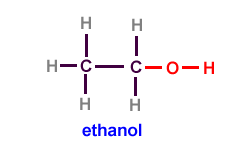
Ethanol ( C2H5OH ) is a byproduct of the yeast fermentation. It is a tasteless liquid which, however, gives the wine a feeling of "solidity" in the mouth - body.
This "body" is partly a sensation from the viscosity of the wine - the ethanol increases the value at room temperature.
Viscosity is a measure of the resistance to flow around objects. When swirled around, a viscous liquid will not "slosh" so easily. Honey is very viscous, water is much less so. Ethanol in a drink makes the drink "thicker" both in the mouth and glass.
It produces a feeling of heat in the mouth. Low alcohol wines are prone to bacterial spoilage and taste "thin". They tend not to keep well or develop in the bottle.
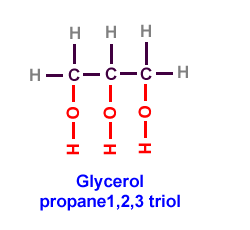
Glycerol ( propane-1,2,3,-triol ) is also present in wine. This is a colourless sweet tasting liquid that contributes to viscosity as well. A viscous wine will leave trails on the side of the glass as it is rolled around instead of flowing quickly into the base.